 By
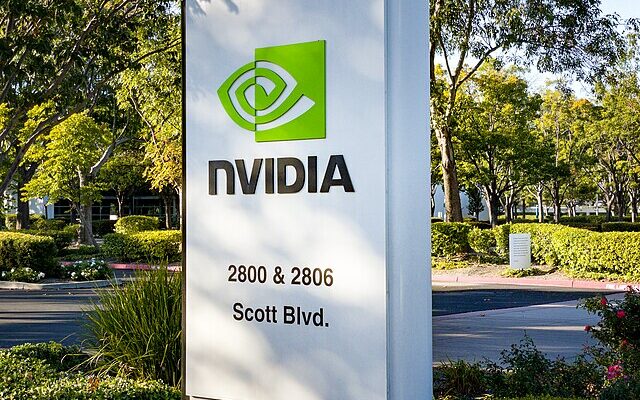
China’s pursuit of America’s artificial intelligence technology reportedly reached the inner business circle of Nvidia CEO Jensen Huang, raising questions about both Beijing’s intelligence operations and Washington’s willingness to confront them when billions of dollars are at stake.
U.S. intelligence agencies concluded that Alice Huang, a senior executive at Singapore-based data center company Megaspeed, was passing information to Beijing while cultivating a close relationship with the Nvidia chief, according to a New York Times report published Thursday. President Donald Trump reportedly received a briefing about the findings roughly a year ago but declined to act, concerned about disrupting chip sales and further complicating trade relations with China.
Alice Huang, also known as Huang Le, came under surveillance after officials suspected Megaspeed was helping Chinese companies obtain restricted Nvidia technology. Monitoring allegedly revealed that she was communicating information to Chinese authorities. Investigators subsequently identified Jensen Huang as an American contact through the legal process used to reveal U.S. citizens’ identities in intelligence reports. The two executives are not related.
There is no evidence that Jensen Huang knowingly assisted Chinese intelligence or disclosed confidential information. Officials initially believed he was unaware of Alice Huang’s alleged role, although some senior administration officials later questioned that assessment, according to the report.
The allegations land amid a broader struggle to keep advanced American computing hardware from reaching China through overseas intermediaries. In March, federal prosecutors charged three people affiliated with Super Micro Computer, including a co-founder, with conspiring to illegally export servers containing Nvidia chips. Prosecutors alleged that the operation used a Southeast Asian intermediary and dummy servers to deceive inspectors, illustrating how elaborate the alleged workarounds have become. That prosecution is separate from the Megaspeed investigation.
Megaspeed and its affiliates have purchased enormous quantities of Nvidia hardware. Trade records cited by the Times indicate that a Malaysian sister company bought at least $4.8 billion in advanced AI equipment containing Nvidia chips and related technology between June 2024 and February 2026. Investigators suspect some chips may have been diverted to China, but the reporting does not establish that illegal transfers occurred.
The company builds data centers in Southeast Asia and rents computing power primarily to Chinese customers, including Alibaba. The Commerce Department began examining Megaspeed in late 2024 after officials visiting a Malaysian facility found Nvidia equipment still boxed. Singaporean authorities have also investigated the firm.
Beijing’s interest in American AI extends beyond the hardware supply chain. An investigation into alleged Chinese intelligence activity at Stanford described efforts to approach researchers and obtain information about sensitive technology, including artificial intelligence. Those allegations highlight another potential vulnerability: access cultivated through apparently ordinary academic or professional relationships.
Nvidia defended its chief executive’s contacts with Alice Huang. Spokesperson John Rizzo said that “Jensen’s interactions with Ms. Huang are not unusual or unexpected. Meetings with customers are part of a CEO’s job; Jensen talks with thousands of customer executives every year.”
The company said customers receive ordinary business information rather than sensitive trade secrets or national security material. It also maintained that earlier chip-diversion allegations involving Megaspeed had been investigated and debunked. A Chinese embassy spokesperson dismissed the intelligence claims as “groundless smears and slanders,” while Megaspeed said its current leadership was investigating internally.
According to the Times account, Jensen Huang has not received a defensive briefing warning him about the alleged intelligence threat. Nvidia maintains that its customers receive routine business information, not sensitive trade secrets, and the reporting does not establish that Jensen Huang knowingly assisted Chinese intelligence. Those distinctions matter, but so does the broader threat: Beijing’s pursuit of American technology can exploit the same commercial relationships that have helped make Nvidia a global powerhouse.
For Washington, protecting America’s lead in artificial intelligence requires more than restricting which chips can cross China’s borders. It also requires confronting efforts to gain access to the people and companies building that advantage, even when doing so complicates lucrative business deals or sensitive trade negotiations.
[READ MORE: Conservative Journalist Threatened With 10 Years In Jail]