 By
She’s found another mark for her scam. After Minnesota shut down a business relief program after flagging more than two-thirds of its applications for potential fraud. Ilhan Omar’s answer is to think bigger. The Minnesota Democrat wants to redirect nearly $140 billion from immigration enforcement into a grant program benefiting communities affected by federal operations, including money for nonprofits, investigations and memorialization. For taxpayers familiar with Minnesota’s record, the proposal looks like an invitation to the next fraud ring.
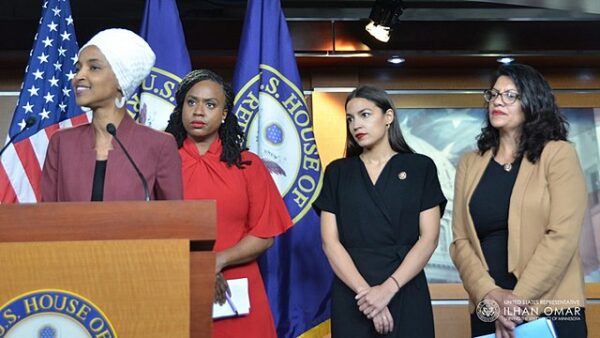
Introduced September 17 with fellow Minnesota Democrat Angie Craig, the Make ICE Pay Act would move $139,575,630,000 previously appropriated to Immigration and Customs Enforcement and Customs and Border Protection into a Department of Housing and Urban Development grant program. According to Craig’s announcement, funding would reach affected nonprofits and small businesses in states including Minnesota, California, Illinois, Louisiana, Maine, North Carolina and Oregon. Congresswoman Angie Craig
Omar’s office describes immigration enforcement operations as “racist terror campaigns” and says Minneapolis suffered nearly $700 million in losses. Eligible uses would extend beyond economic assistance and educational or psychological support to “investigations, commissions of inquiry, truth telling, record-keeping, and memorialization.” Washington would help finance the political reckoning Omar wants over immigration enforcement.
Minnesota has already conducted a smaller experiment with the recovery argument. Hennepin County created a $2 million Small Business Recovery Fund for businesses claiming losses during Operation Metro Surge. As detailed in the county’s latest fraud controversy, officials and nonprofit administrator NextStage received roughly 300 applications. More than 200 were flagged for potential fraud; just 82 were approved, totaling about $500,000.
Reviewers found repeated language, inflated expenses and addresses where applicants apparently did not operate. Some applications used legitimate businesses’ names without their owners’ knowledge. Officials said the suspicious applications received no money, demonstrating that screening worked. But the county nevertheless stopped processing applications and redirected the remaining funds. An immigration recovery program had attracted so many questionable claims that officials abandoned the grant approach.
Then there is Feeding Our Future, the roughly $250 million child nutrition fraud that turned claims about feeding children into a vehicle for stealing public money. The scandal also brought scrutiny to Omar, who promoted Safari restaurant’s purported meal service and supported pandemic meal-program waivers. Convicted nonprofit founder Aimee Bock subsequently alleged that Omar knew more about the operation than she acknowledged. That allegation does not establish Omar’s participation; she denies knowing about the fraud and has not been charged in the scheme. New Conservative Post
Omar also faces separate legal scrutiny. Federal agents searched her Washington residence in October during an immigration investigation, and she has rejected the allegations surrounding her immigration history. Meanwhile, her husband’s shuttered winery has faced investor fraud allegations, which attorneys for Tim Mynett and his business partner deny. Those disputes are separate from the Minnesota meal fraud. A congressional watchdog also recommended dismissing allegations concerning Omar’s financial disclosures, a significant qualification to the broader accusations about her finances.
None of that proves Omar intends to steal grant money. It does make her proposal’s priorities difficult to defend. Minnesota’s recent experience supplies a concrete warning about recovery grants attracting fraudulent applications, yet Omar wants an enormously larger program that would also fund inquiries and commemorations supporting her campaign against ICE. Taxpayers would surrender immigration enforcement resources and finance the aftermath through another sprawling grant system. Minnesota’s scammers hardly need encouragement. Congress should demand a better answer before offering them another opportunity.
[READ MORE: Google Issues Stark Warning About AI Hacking]