 By
By A senior State Department official sparked controversy on Capitol Hill this week after acknowledging that a Biden-era public diplomacy grant helped fund a project aimed at “making the maps more gay” in Eastern Europe.
Under Secretary of State for Public Diplomacy Sarah B. Rogers made the remark Thursday while testifying before the House Foreign Affairs Committee during a hearing titled “Advancing National Security through Public Diplomacy.” The exchange came during questioning from committee chairman Rep. Brian Mast (R-Fla.), who pressed Rogers about grants issued under the previous administration.
Mast pointed to a program described as “queering the map,” noting that tens of thousands of dollars had reportedly been directed toward related activities in Slovakia.
“Can you tell me, what is ‘queering’ the map?” Mast asked.
Rogers responded candidly. “So I think we were trying to make the maps more gay.”
The Biden administration was allegedly wasting taxpayer money making gay maps, according to Under Secretary of State for Public Diplomacy Sarah Rogers.
Rep Brian Mast: Can you tell me what is queering the map?
Rogers: So I think we were trying to make the maps more gay.
Mast:… pic.twitter.com/hPFWJxyxGY
— Collin Rugg (@CollinRugg) March 6, 2026
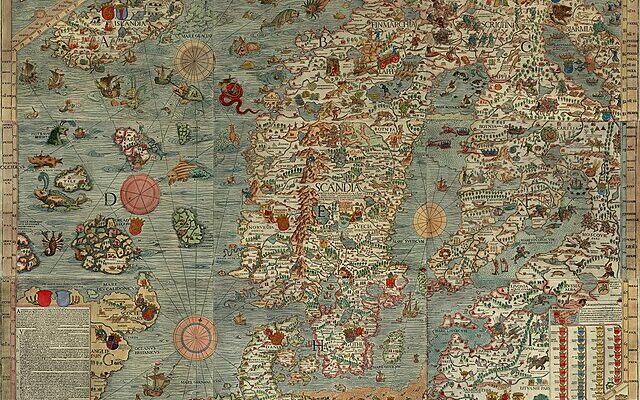
When Mast followed up by asking how one makes a map “more gay,” Rogers replied with a touch of humor. “You know, since the age of cartography, we’ve had pretty good maps, but maybe they weren’t gay enough.”
The exchange quickly circulated online, with clips of the hearing spreading across social media and conservative news outlets. It also drew renewed attention to how federal public diplomacy funds were distributed during the Biden administration.
Republicans on the committee used the hearing to highlight several grants they argued reflected ideological priorities rather than strategic ones. In his opening remarks, South and Central Asia Subcommittee Chairman Rep. Bill Huizenga (R-Mich.) cited examples that included funding for drag performances in Ecuador, a transgender-themed opera in Colombia, and programs supporting intersex advocacy leaders in India.
The “Queering the Map” reference appears to relate to an existing online platform—Queeringthemap.com—launched in 2017. The crowdsourced project allows LGBTQ+ individuals to anonymously pin personal stories to locations around the world, creating a digital archive of experiences tied to specific places. Some have said that the map itself shows a narcissistic political movement by sexually obsessed liberals hellbent on making everything about their love life.
Entries often describe moments of personal discovery, relationships, or hardship, particularly in countries where LGBTQ+ visibility remains limited.
Critics of the grant, however, argued that such initiatives fall outside the core mission of American diplomacy. Mast and other Republicans said resources should instead be focused on pressing geopolitical challenges, including countering Iranian influence and competing with China’s global outreach.
The controversy continued after the hearing when Rogers addressed the issue on social media. On Friday she posted an apology directed toward the countries referenced in the exchange.
“Czechia and Slovakia are great countries. I’m sorry that my predecessors ‘queered’ your maps!” Rogers wrote.
She also said the current administration is reviewing public diplomacy grants to ensure they are more tightly aligned with U.S. strategic interests, citing initiatives such as free speech promotion and sports diplomacy as future priorities.
The incident has since fueled a broader debate over foreign aid spending. Conservative commentators have portrayed it as a symbol of misplaced priorities in federal programs, while defenders of the project note its role as a cultural archive documenting LGBTQ+ experiences around the world.
Republican lawmakers say oversight of such programs will remain a priority.
[Read More: How Trump Plans To Hit Cuba]