
 By
By The federal government on Tuesday released a sweeping update to the Dietary Guidelines for Americans, marking a sharp turn away from decades of low-fat advice and toward higher protein intake, full-fat dairy, and aggressive limits on ultra-processed foods and added sugars.
Issued jointly by the U.S. Departments of Agriculture and Health and Human Services and revised every five years, the new guidelines reflect priorities championed by Health Secretary Robert F. Kennedy Jr., who has framed the overhaul as central to reversing chronic disease trends.
At a White House press conference, Kennedy said the changes “will revolutionize our nation’s food culture and make America healthy.”
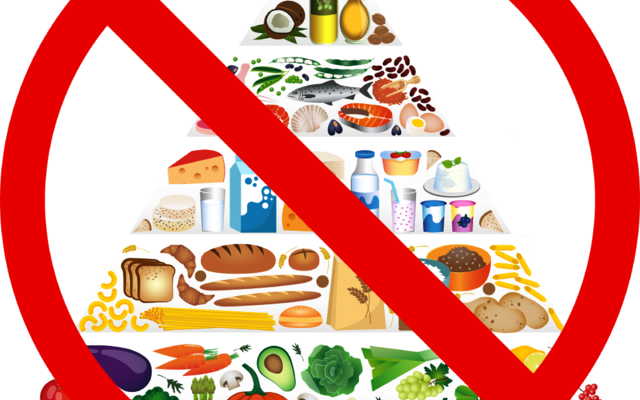
One of the most visible shifts is the abandonment of the long-standing MyPlate graphic. In its place, federal agencies have revived an inverted and restructured food pyramid that elevates protein sources, dairy, healthy fats, vegetables, and fruits, while pushing whole grains into a less prominent role.
Under the new framework, Americans are encouraged to include protein in every meal, with recommended intakes ranging from 1.2 to 1.6 grams per kilogram of body weight — up to twice the previous federal standard of 0.8 grams. Proteins may be seasoned with “salt, spices, and herbs,” according to the guidance.
The guidelines also break with years of advice favoring low-fat or fat-free dairy, now explicitly endorsing full-fat options. While the cap on saturated fat remains at less than 10 percent of daily calories, critics argue the recommendations make that limit difficult to meet in practice.
Reaction from medical and nutrition groups has been mixed.
In another epic win for MAHA, the White House just released new guidelines that turn the outdated Food Pyramid upside down!
Here are the new recommendations:
🐄•Protein Priority: Include protein-rich foods (e.g., meats, seafood, eggs, nuts) at every meal to support muscle… pic.twitter.com/m6TIU5eezE
— TraderJill (Leigh) (@RealTraderJill) January 7, 2026
The American Heart Association said it “commends” parts of the update grounded in evidence, including increased consumption of fruits, vegetables, and whole grains and reductions in added sugars and processed foods. But the organization warned that “recommendations regarding salt seasoning and red meat consumption could inadvertently lead consumers to exceed recommended limits for sodium and saturated fats, which are primary drivers of cardiovascular disease.”
The American Medical Association offered a more positive assessment, particularly of the focus on ultra-processed foods. “The Guidelines affirm that food is medicine and offer clear direction patients and physicians can use to improve health,” said Dr. Bobby Mukkamala, the AMA’s president, in a statement.
Some nutrition experts were more blunt. Marion Nestle, professor emerita at New York University, praised the limits on highly processed foods but said “everything else is weaker or has no scientific justification.” She argued the protein emphasis “makes no sense (Americans eat plenty) other than as an excuse to advise more meat and dairy, full fat, which will make it impossible to keep saturated fat to 10% of calories or less.”
Unlike earlier drafts considered under the previous administration, which emphasized plant-based protein sources, the final version prioritizes animal proteins such as meat and dairy, while still urging limits on sugary beverages, sodium, and ultra-processed items.
A White House spokesperson defended the revisions as rooted in “scientific consensus” and “common sense,” noting that implementation across school meals, military dining facilities, and federal nutrition assistance programs will roll out gradually over the next two years.
Additional recommendations include favoring nutrient-dense, home-cooked meals over packaged snacks like chips, cookies, and candy; limiting added sugars to 10 grams per meal; and choosing fruits and vegetables in whole forms rather than juices or processed blends.
For children up to age 10, the guidelines advise zero added sugars — a goal pediatric experts acknowledge is difficult. Dr. Ronald Kleinman called the standard challenging but beneficial when applied in moderation.
Sodium limits remain unchanged at less than 2,300 milligrams per day for adults. Alcohol guidance has been simplified, encouraging Americans to drink “less alcohol for better overall health,” dropping previous numerical limits. Dr. Mehmet Oz said the shift reflects alcohol’s role as a “social lubricant that brings people together.”
Dr. Oz on alcohol guidelines: "Alcohol is a social lubricant that brings people together…there's nothing healthier than having a good time with friends."
"There was never good data" to back the 1-2 drink guideline, which was taken out.
But "don't have it for breakfast."
— Brent Scher (@BrentScher) January 7, 2026
Federal officials say the changes are aimed squarely at curbing rising rates of obesity, diabetes, and heart disease by reshaping everyday food choices — and, they argue, by confronting the dominance of processed foods in the American diet.
[Read More: Trump Takes On Defense Contractors]