 By
By The United Arab Emirates is quietly exploring a financial backstop with the United States as fallout from its recent conflict with Iran raises concerns about economic stability in the Gulf.
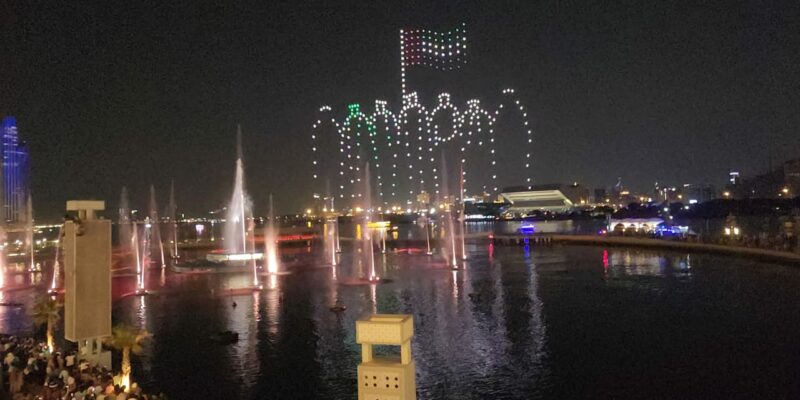
Smoke from explosions and interceptions blanketed parts of Dubai last month as the UAE faced a barrage of Iranian drones and missiles, shaking buildings in the regional financial hub and exposing vulnerabilities during the conflict, according to The Wall Street Journal.
U.S. officials say Emirati leaders have opened preliminary discussions with American counterparts about securing emergency access to dollars if the war places additional strain on the oil-rich economy. Central bank governor Khaled Mohamed Balama raised the possibility of a currency swap line during meetings in Washington last week with Treasury Secretary Scott Bessent and officials from the Treasury Department and Federal Reserve.
According to those officials, Emirati representatives emphasized that the country has so far avoided the worst economic consequences of the fighting but may still need support to maintain stability. The discussions underscore growing concern in Abu Dhabi and Dubai that prolonged disruption could erode reserves, unsettle investors, and weaken the UAE’s standing as a global financial hub.
Damage to oil and gas facilities, along with restricted tanker access through the Strait of Hormuz, has already reduced a key source of dollar revenue from energy exports. No formal request for a swap arrangement has been submitted, and UAE officials have framed the idea as a precautionary measure rather than an urgent need, U.S. sources said.
During the talks, some Emirati officials reportedly pointed to U.S. actions under President Donald Trump that drew their country into the conflict, warning that a dollar shortage could push them toward using alternative currencies such as the Chinese yuan for oil transactions—an implicit challenge to the dollar’s dominance in global energy markets.
The UAE Central Bank has not publicly commented on the discussions, and the Federal Reserve declined to address the matter.
Currency swap lines, typically administered by the Federal Reserve, allow central banks to access dollars on favorable terms during liquidity shortages. The Federal Open Market Committee is viewed as unlikely to extend such a facility to the UAE, given its more limited financial integration with U.S. markets compared with traditional partners in Europe, Japan, or major emerging economies such as South Korea and Brazil. The Treasury has at times used its Exchange Stabilization Fund for similar purposes, including a $20 billion facility for Argentina last year.
The UAE’s currency, the dirham, remains pegged to the dollar and backed by roughly $270 billion in foreign reserves. Analysts, including S&P Global, note that the country retains significant fiscal buffers but warn that prolonged disruptions to oil exports or additional infrastructure damage could pose material risks.
Before a ceasefire took hold in mid-April, Iran launched thousands of drones and missiles toward the UAE, with the country’s defense ministry reporting more than 2,800 interceptions. Falling debris from those interceptions caused fires, structural damage, and civilian disruptions in cities including Dubai and Abu Dhabi.
In a related development, the UAE has signaled it may freeze Iranian assets within its jurisdiction, a move that could carry consequences for its banking sector and broader commercial ties. The conflict appears to have drawn the UAE closer to Washington while undermining earlier hopes that economic engagement with Tehran might insulate it from regional instability.
On the sidelines of recent meetings of the International Monetary Fund and the World Bank in Washington, U.S. officials invited Gulf nations to outline their needs for reconstruction and economic recovery, pledging priority attention. Gulf states, including Abu Dhabi, have already moved to raise fresh debt from global investors to strengthen liquidity amid what the International Energy Agency has described as an unprecedented oil supply shock.
Mohammed Al-Jadaan, Saudi Arabia’s finance minister, cautioned that restoring normal tanker operations could take longer than expected. “Anyone who’s counting for a quick recovery, even if there is a total end of hostilities, will need to recalculate that,” he said.
For now, the UAE and its Gulf neighbors continue to balance economic stabilization efforts with the strategic realities of an increasingly volatile region.
[Read More: Democrat Desperate To Hide Divorce Records]